Fungal Inhibitors
Fungal pathogens pose a significant threat to human health, ranging from superficial mucocutaneous infections to severe, life-threatening invasive Fungal infections (IFIs). The eukaryotic nature of fungi presents a unique challenge for drug development, as their cellular machinery shares many similarities with human cells, necessitating the identification of selective targets. Antifungal drugs primarily exploit unique fungal structures or metabolic pathways that are either absent or significantly different in human cells. Key targets include the fungal cell wall, which is composed of glucans and chitin and is absent in human cells; the fungal cell membrane, which contains ergosterol instead of cholesterol; and essential fungal metabolic processes such as nucleic acid synthesis and microtubule function. Diseases caused by fungi are diverse. Superficial infections include common conditions like candidiasis (e.g., oral thrush, vaginal yeast infections) and dermatophytosis (e.g., athlete's foot, ringworm). However, the most critical concern lies with IFIs, which are a major cause of morbidity and mortality in immunocompromised patients.
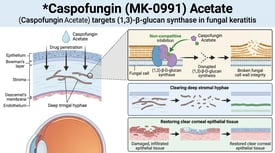
These include invasive candidiasis, invasive aspergillosis, cryptococcosis, and mucormycosis, particularly affecting transplant recipients, cancer patients undergoing chemotherapy, and critically ill individuals. The increasing incidence of IFIs, coupled with the emergence of antifungal resistance, underscores the urgent need for effective and safe fungal inhibitors. Research into fungal inhibitors has led to the development of several classes of approved drugs, with ongoing efforts to discover new agents. The main classes include: Azoles (e.g., fluconazole, voriconazole, posaconazole, isavuconazole), which inhibit ergosterol synthesis by targeting lanosterol 14α-demethylase (CYP51), offering a broad spectrum of activity. Polyenes (e.g., amphotericin B, nystatin) directly bind to ergosterol, forming pores and disrupting membrane integrity, and are often used for severe IFIs. Echinocandins (e.g., caspofungin, micafungin, anidulafungin) inhibit β-(1,3)-D-glucan synthase, a key enzyme in cell wall synthesis, and are highly effective against Candida and Aspergillus. Flucytosine inhibits nucleic acid synthesis and is typically used in combination with other antifungals.
Allylamines (e.g., terbinafine) inhibit squalene epoxidase, another enzyme in ergosterol synthesis, primarily used for dermatophytoses. New agents targeting novel pathways, such as fungal ATP synthase, dihydrofolate reductase, or Gwt1, are in preclinical and early clinical development to combat resistance and expand the therapeutic arsenal. Key challenges in antifungal therapy include the increasing prevalence of antifungal resistance, particularly to azoles, which limits treatment options. The relatively small number of distinct drug classes and the significant toxicities associated with some agents (e.g., nephrotoxicity of amphotericin B) further complicate management. The difficulty in early diagnosis of IFIs and the inherent challenges of achieving selective toxicity against eukaryotic pathogens also pose hurdles. Standard antifungals serve as important research tool compounds. Combination therapy is frequently employed for severe or resistant infections, such as amphotericin B with flucytosine for cryptococcal meningitis, or echinocandins with azoles for certain invasive candidiasis cases, to achieve synergistic effects and overcome resistance.
Biomarkers like galactomannan (for Aspergillus), β-D-glucan (for various fungi), and the T2Candida panel (for Candida) are crucial for early diagnosis and monitoring treatment response. Continued innovation in fungal inhibitors is essential to address the growing threat of invasive fungal diseases.