Histone Acetyltransferase Inhibitors
Histone acetyltransferases (HATs) are a critical class of enzymes that play a fundamental role in regulating gene expression by catalyzing the transfer of acetyl groups from acetyl-CoA to lysine residues on histones and various non-histone proteins. This acetylation generally neutralizes the positive charge of lysine, reducing its affinity for the negatively charged DNA backbone, thereby leading to a more open, transcriptionally active chromatin structure. HATs are broadly categorized into several families, including the GNAT (GCN5-related N-acetyltransferase) family (e.g., GCN5, PCAF), the p300/CBP family, and the MYST (MOZ, YBF2/SAS3, SAS2, TIP60) family. Beyond histones, HATs acetylate a multitude of non-histone proteins, including transcription factors, chaperones, and signaling molecules, influencing their stability, localization, and activity. Dysregulation of HAT activity, often leading to aberrant gene activation, is strongly implicated in the pathogenesis of numerous diseases. Primarily, HATs are recognized as oncogenes or tumor suppressors depending on context, with their dysregulation contributing to various cancers, including leukemias, lymphomas, and solid tumors. For example, p300/CBP are frequently mutated or aberrantly expressed in diverse malignancies.
Furthermore, HATs are involved in neurodegenerative disorders, inflammatory conditions, and metabolic diseases, highlighting their pervasive influence on cell biology. The development of small molecule inhibitors targeting HATs represents a promising therapeutic avenue, although progress has been slower compared to other epigenetic targets like HDACs or HMTs. The majority of HAT inhibitors are currently in preclinical development. Efforts have largely focused on inhibiting the p300/CBP family and the GNAT family members. For instance, compounds like A-485 and CPI-1612 are potent and selective inhibitors of p300/CBP, showing efficacy in preclinical models of cancer by suppressing oncogenic gene expression and inducing apoptosis. Similarly, inhibitors targeting GCN5/PCAF, such as CPTH2, have demonstrated anti-cancer activity in various cell lines. While several HAT inhibitors have reached early clinical trials, often in combination with other agents, none have yet received regulatory approval.
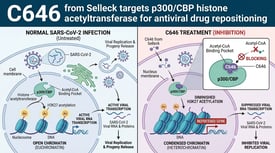
This slower translation is partly due to challenges in achieving high selectivity among the diverse HAT family members and understanding the complex interplay between HATs and histone deacetylases (HDACs), which remove acetyl groups. Inhibitors are typically classified based on their mechanism of action, including acetyl-CoA competitive, substrate-competitive, and allosteric inhibitors, as well as by their specificity for particular HAT families or individual enzymes. A significant challenge in HAT inhibitor development is the potential for off-target effects, given the broad physiological roles of HATs and the structural similarities within their catalytic domains. Moreover, the dynamic balance between acetylation and deacetylation is crucial for cellular homeostasis, making targeted intervention complex. To enhance therapeutic outcomes and mitigate resistance, combination therapy strategies are being actively explored. These include combining HAT inhibitors with HDAC inhibitors to restore proper acetylation balance, or with other targeted therapies and chemotherapy. Research tool compounds, such as C646 for p300/CBP, have been invaluable in dissecting HAT biology and validating these enzymes as viable drug targets.
The ongoing research aims to develop more potent, selective, and orally bioavailable HAT inhibitors, ultimately expanding the repertoire of epigenetic therapies for a range of challenging diseases.