NF-κB Inhibitors
NF-κB, or Nuclear Factor kappa-light-chain-enhancer of activated B cells, represents a pivotal transcription factor complex that orchestrates the expression of genes involved in inflammation, immunity, cell proliferation, and survival. Its activation is a rapid and tightly regulated process initiated by a diverse array of stimuli, including pro-inflammatory cytokines (e.g., TNF-α, IL-1β), pathogen-associated molecular patterns (PAMPs) recognized by Toll-like receptors (TLRs), T-cell receptor (TCR) and B-cell receptor (BCR) signaling, and various forms of cellular stress. The canonical NF-κB pathway, the most extensively studied, involves the IκB kinase (IKK) complex, primarily IKKβ, phosphorylating the inhibitory IκB proteins. This phosphorylation marks IκB for ubiquitination and subsequent proteasomal degradation, thereby releasing NF-κB dimers (most commonly p50/p65, also known as RelA) to translocate from the cytoplasm to the nucleus, where they bind to specific DNA sequences and activate target gene transcription. The non-canonical pathway, involving IKKα and NF-κB-inducing kinase (NIK), leads to the processing of p100 to p52, often forming p52/RelB dimers.
Dysregulation of NF-κB signaling is implicated in a wide spectrum of human pathologies. Chronic activation is a hallmark of numerous inflammatory and autoimmune diseases, such as rheumatoid arthritis, inflammatory bowel disease (IBD), psoriasis, and systemic lupus erythematosus. Furthermore, NF-κB plays a critical role in oncogenesis, promoting tumor cell proliferation, survival, angiogenesis, metastasis, and resistance to conventional therapies in various cancers, including breast, colon, prostate, pancreatic, and hematological malignancies like multiple myeloma and lymphoma. Its involvement extends to neurodegenerative disorders and viral infections, where it can influence viral replication and host immune responses. The development of NF-κB inhibitors has been a significant focus in drug discovery.
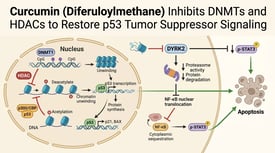
While direct NF-κB DNA binding inhibitors are challenging to develop due to their broad impact, strategies have largely focused on upstream components. Proteasome inhibitors, such as bortezomib and carfilzomib, approved for multiple myeloma, indirectly inhibit NF-κB by preventing the degradation of IκB, thus sequestering NF-κB in the cytoplasm. IKK inhibitors, like BMS-345541 and TPCA-1, are in preclinical and early clinical development, aiming to block IκB phosphorylation. Other approaches include targeting upstream receptors (e.g., TNFR inhibitors like etanercept, adalimumab, which are approved for inflammatory diseases) or using natural compounds such as curcumin and resveratrol, which exhibit broad anti-inflammatory properties partly through NF-κB modulation. Challenges in developing NF-κB inhibitors include achieving selectivity to avoid widespread immunosuppression and systemic toxicity, given NF-κB’s ubiquitous and essential physiological roles.
Combination therapy, particularly in oncology, is a promising strategy, where NF-κB inhibitors can sensitize cancer cells to chemotherapy or radiotherapy, or synergize with other targeted agents. Research continues to identify more specific and less toxic inhibitors, potentially targeting specific NF-κB dimers or pathways, to harness the therapeutic potential of NF-κB modulation effectively.