Glutaminase Inhibitors
Glutaminase (GLS) is a mitochondrial enzyme that catalyzes the first step of glutaminolysis: the conversion of glutamine into glutamate and ammonia. In humans, there are two main isoforms: GLS1 (kidney-type) and GLS2 (liver-type). GLS1 is further processed into two splice variants, KGA and GAC, with GAC often being more active and upregulated in cancer. Glutamate produced by this reaction is a versatile metabolite; it can be converted into alpha-ketoglutarate to fuel the tricarboxylic acid (TCA) cycle (anaplerosis) or serve as a precursor for the antioxidant glutathione (GSH). This pathway is essential for maintaining cellular energy, macromolecular synthesis, and redox homeostasis. The primary disease association for Glutaminase inhibitors is cancer. Many tumors exhibit glutamine addiction, relying on exogenous glutamine to support rapid growth and survive under metabolic stress.
High GLS1 expression is correlated with poor prognosis in various malignancies, including triple-negative breast cancer, non-small cell lung cancer, and pancreatic cancer. Beyond oncology, glutaminase is also being investigated in the context of neurological disorders, as glutamate is a major excitatory neurotransmitter, and in fibrotic diseases where glutamine metabolism supports myofibroblast activation. The most advanced glutaminase inhibitor in clinical development is Telaglenastat (CB-839), a potent, selective, and orally bioavailable allosteric inhibitor of GLS1. While Telaglenastat showed promising results in early-phase trials, recent phase II trials (such as CANTATA and KEAPSAKE) have faced challenges in meeting primary endpoints when combined with standard-of-care agents. This has led to a more nuanced approach, focusing on specific genetic backgrounds, such as tumors with KEAP1/NRF2 mutations, which are particularly dependent on glutamine for antioxidant defense. Other inhibitors like IPN60090 are also in clinical evaluation. Glutaminase inhibitors are primarily classified by their mechanism of action.
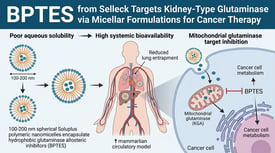
The most common are allosteric inhibitors, which bind to a site distant from the catalytic pocket, often at the interface of the GLS1 tetramer, preventing the enzyme from adopting its active conformation. Examples include CB-839 and the tool compound BPTES. Another class includes competitive inhibitors that target the glutamine-binding site, although these are generally less selective. Research is also exploring dual-action inhibitors and PROTACs that can degrade the GLS protein. A major challenge in targeting glutaminase is the metabolic plasticity of cancer cells, which can often switch to alternative nutrient sources like fatty acids or glucose when the glutamine pathway is blocked. This necessitates the use of combination therapies to simultaneously target multiple metabolic vulnerabilities. Additionally, because glutamine is essential for the function of immune cells (like T cells), there is a concern that GLS inhibitors might inadvertently suppress anti-tumor immunity.
Current research is focused on identifying the optimal metabolic windows and patient populations that will benefit most from these inhibitors, as well as exploring their potential in enhancing the efficacy of radiotherapy and immunotherapy.