HDAC Inhibitors
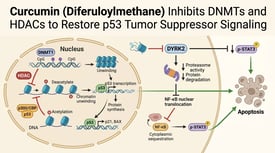
Histone deacetylases (HDACs) are a class of enzymes that play a fundamental role in the epigenetic regulation of gene expression by removing acetyl groups from the epsilon-amino groups of lysine residues on histone tails. This process increases the positive charge of histones, strengthening their interaction with negatively charged DNA and leading to a condensed, transcriptionally inactive chromatin structure known as heterochromatin. Beyond histones, HDACs also target a wide array of non-histone proteins, including transcription factors like p53, molecular chaperones like HSP90, and structural proteins like tubulin, thereby influencing various cellular processes such as the cell cycle, apoptosis, and DNA repair. The 18 human HDAC isoforms are classified into four groups based on their homology to yeast enzymes and their cofactor requirements: Class I (HDAC1, 2, 3, and 8), Class II (subdivided into IIa and IIb), Class III (Sirtuins, which are NAD+-dependent), and Class IV (HDAC11). HDAC inhibitors (HDACis) have emerged as potent anti-cancer agents, particularly in hematological malignancies.
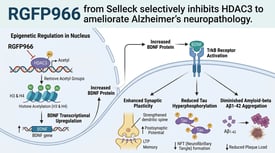
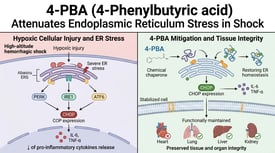
The FDA has approved several HDACis, including vorinostat (SAHA), romidepsin, belinostat, and panobinostat, primarily for the treatment of cutaneous T-cell lymphoma, peripheral T-cell lymphoma, and multiple myeloma. These inhibitors typically share a common pharmacophore consisting of a surface-recognition cap, a hydrophobic linker, and a zinc-binding group that coordinates with the catalytic zinc ion in the enzyme's active site. HDAC inhibitors are generally classified by their chemical structure into four main groups: hydroxamates (like vorinostat), cyclic peptides (like romidepsin), benzamides (like entinostat), and short-chain fatty acids (like valproic acid). While the approved drugs are mostly pan-HDAC inhibitors, current research is heavily focused on developing isoform-selective inhibitors to reduce the systemic toxicities associated with broad HDAC inhibition, such as thrombocytopenia, fatigue, and cardiac arrhythmias (QT prolongation). Selective inhibition of HDAC6, for instance, is being explored for its potential in treating neurodegenerative diseases and solid tumors with fewer side effects.
In solid tumors, HDACis have shown limited efficacy as monotherapies, leading to a shift toward combination strategies. Combining HDACis with proteasome inhibitors, DNA-damaging agents, or immune checkpoint inhibitors has shown promise in overcoming resistance and enhancing therapeutic responses. For example, HDAC inhibition can increase the expression of tumor antigens and components of the antigen-processing machinery, potentially making tumors more sensitive to immunotherapy. Challenges remain in identifying predictive biomarkers to select patients most likely to respond to HDACi therapy and in understanding the complex interplay between different HDAC isoforms in various tissues. As the field advances, the development of next-generation, highly selective HDAC inhibitors and the exploration of their roles in non-oncological conditions, such as inflammatory and fibrotic diseases, continue to be areas of intense scientific investigation.